The SSIReN team
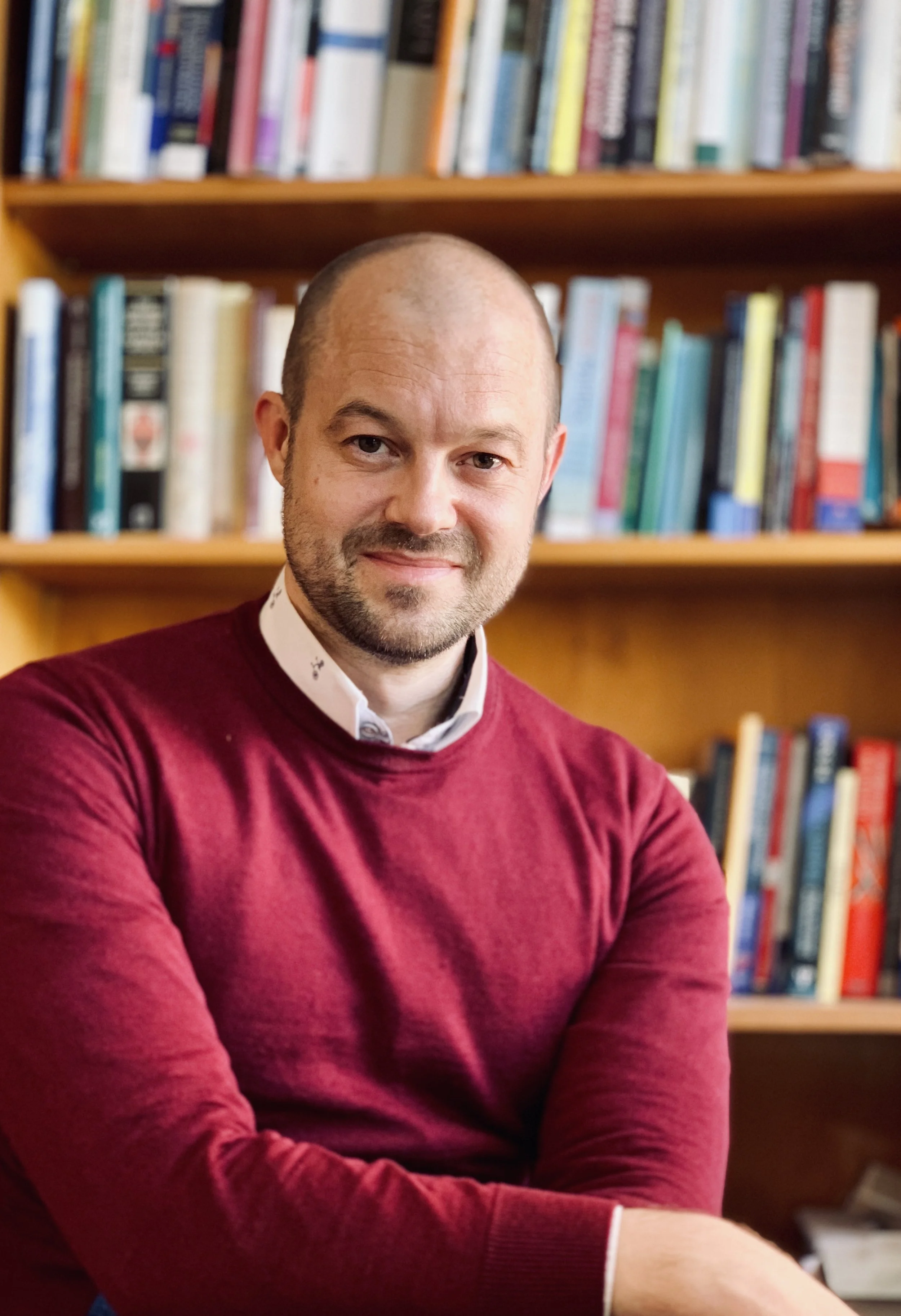
Professor Tim Legrand
Professor Tim Legrand is a political scientist at Adelaide University and Australian Research Council Future Fellow. He is co-editor, with Prof Joanne Wallis, of the Australaisn Journal of International Affairs.
His research traverses a range of security themes, principally in global blacklisting, digital security, counter-terrorism politics, political violence and political exclusion. HIs research is oriented around a cross-pollination of public administration and International Relations perspectives to navigate the complex terrain of security in domestic and international spaces.

Professor Kate Reynolds
Prof Kate Reynolds is the Executive Director of SSIReN. Kate is Professor of Psychology at the Australian National University (ANU). Her research addresses group processes (leadership, influence, norms) and intergroup relations (prejudice, discrimination, cohesion, social change), and is informed by the social identity perspective (e.g., Turner & Reynolds, 2012). The broad research questions that frame her work concern the impact of groups and group norms on individual’s attitudes, well-being and behaviour. Groups can be small or large and refer to when people are connected to one another by a shared characteristic, interest or purpose (ethnic, religious, political, national, attitudinal, work-based).

Profesor Emma Thomas
Professor Emma Thomas is a social psychologist in the College of Education, Psychology and Social Work, where she serves as Matthew Flinders Professor and Australian Research Council Future Fellow. She also leads the Flinders Social Influence and Social Change Lab and holds leadership positions in the Jeff Bleich Centre for Democracy and Disruptive Technologies and Flinders Institute for Mental Health and Wellbeing.
Her research resides at the intersection of social and political psychology, concentrating on the psychological mechanisms that drive political engagement, collective action, and extremism. She explores how social identities, group norms, emotions (such as anger, outrage, and hope), and online interactions influence individuals' decisions to participate in both peaceful protests and radical movements.